
|
Getting your Trinity Audio player ready...
|
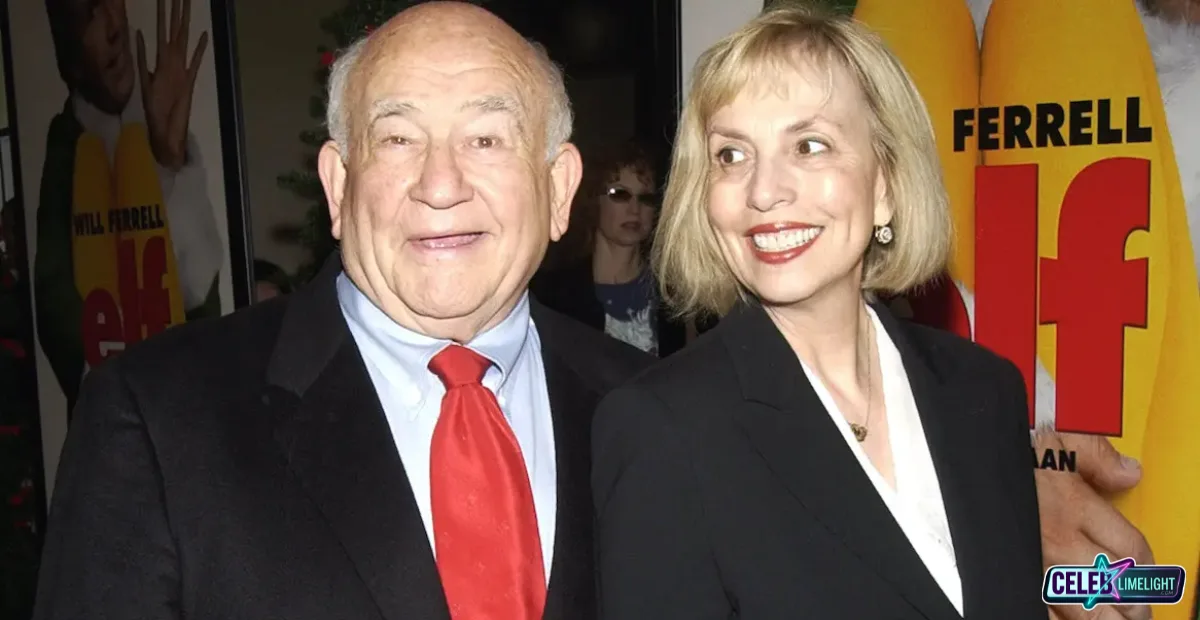
Charles Edward Vogelman carries a name most people have only encountered while searching for his father. As the youngest son of seven-time Emmy Award winner Ed Asner, he grew up in the shadow of one of Hollywood’s most celebrated actors yet he chose a life that exists almost entirely outside that shadow. No red carpets. No interviews. No social media. In a culture where celebrity children routinely trade on family recognition, Charles has done the opposite, and that quiet refusal to engage is precisely what makes his story worth understanding.
This article brings together everything that is publicly known about Charles Edward Vogelman: his birth, his family dynamics, the autism diagnosis that quietly shaped his upbringing, the father who became his fiercest advocate, and the man he appears to be today.
Key Takeaways
- Born in 1987 to Ed Asner and Carol Jean Vogelman; 39 years old as of 2026
- Diagnosed with autism spectrum disorder as a child, which became the catalyst for Ed Asner’s lifelong advocacy work
- Attended California Polytechnic State University, demonstrating significant academic progress that surprised even his father
- The direct inspiration behind The Ed Asner Family Center, run by his half-brother Matthew Asner
- Has never appeared in public media, given an interview, or maintained any known social media presence
- Net worth estimated at $1–5 million (unverified); Ed Asner’s estate was valued at approximately $10 million at the time of his death in 2021
- Maintains a fully private life in the United States
Who Is Charles Edward Vogelman?
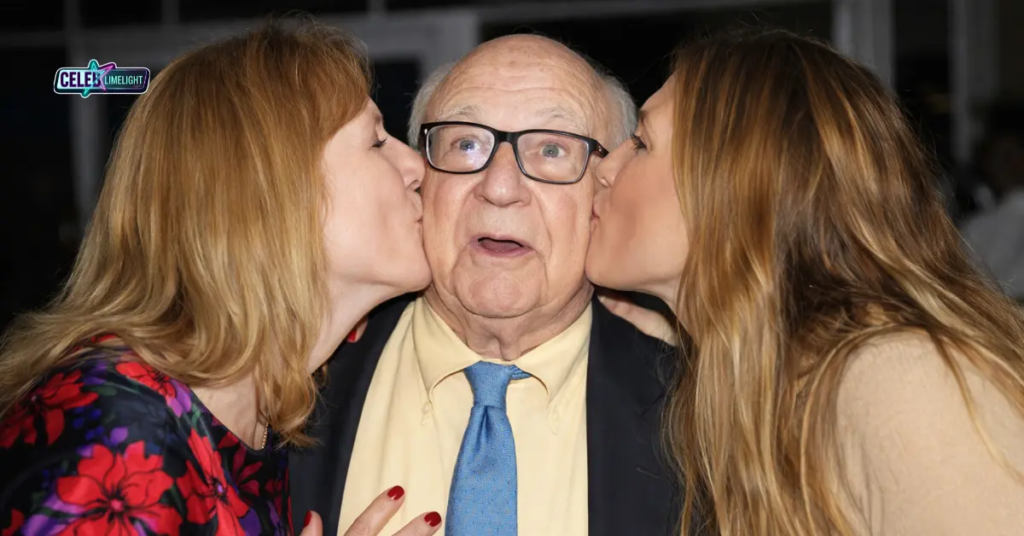
Charles Edward Vogelman is an American private individual, known to the public almost exclusively because of his father, the late Ed Asner. He is the youngest of Ed Asner’s four children and the only child from Ed’s relationship with Carol Jean Vogelman, a woman who remained largely outside the public eye throughout her life.
What separates Charles from the broader category of “celebrity children” is not just his privacy, but the layers of his story that rarely surface in mainstream coverage. He is not simply a quiet child of a famous man. He is someone whose early life presented real challenges, whose father spoke about those challenges openly in interviews, and whose journey from a child in a special needs classroom to a university graduate says something genuine about resilience — both his own and his father’s.
Most public curiosity about him is rooted in Ed Asner’s legacy, but understanding Charles properly requires understanding that relationship on its own terms, not just as a footnote.
Charles Edward Vogelman: Biography at a Glance
| Attribute | Details |
| Full Name | Charles Edward Vogelman |
| Date of Birth | 1987 |
| Age | 39 years (as of 2026) |
| Father | Ed Asner (1929–2021) |
| Mother | Carol Jean Vogelman (also listed as Carla Vogelman) |
| Half-Siblings | Matthew Asner, Liza Asner, Kate Asner |
| Diagnosis | Autism spectrum disorder (diagnosed in childhood) |
| Education | California Polytechnic State University (Cal Poly) |
| Profession | Not publicly disclosed |
| Net Worth | Estimated $1M–$5M (unverified) |
| Marital Status | Not publicly known |
| Residence | United States (exact location private) |
| Social Media | None known |
Suggested Read: Melissa Esplana Net Worth 2025: Dusty Baker’s Wife, Life Story, Family, Age & Untold Influence
Early Life and the Family He Was Born Into
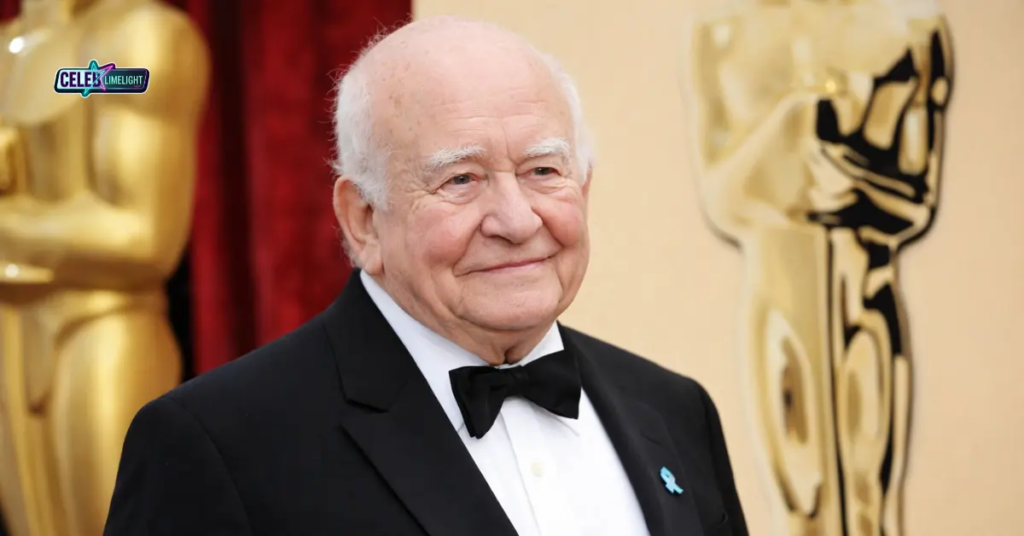
Charles Edward Vogelman was born in 1987 in the United States. His birth came at a complicated moment in his father’s personal life. Ed Asner, already in his late fifties and well-established as one of television’s most decorated actors, was not married to Carol Jean Vogelman at the time. In 1988, the Los Angeles Times reported that Asner had acknowledged paternity and agreed to child support arrangements, which marked one of the few moments Charles’s name entered the public record.
Ed Asner had three older children from his marriage to Nancy Sykes: twins Liza and Matthew, and a daughter named Kate. Charles, born years after that marriage ended, grew up as the youngest and, in many ways, the most separate from the public family narrative that surrounded his father. While his half-siblings were occasionally mentioned in profiles of their father, Charles was almost never named at all.
His early childhood was private, not because the family was secretive in a dramatic sense, but because the circumstances of his birth were handled quietly, and because the adults around him, including his mother, appeared to prioritise stability over visibility.
The Autism Diagnosis: The Story That Changed Everything
Of all the things that define Charles Edward Vogelman’s story, the most significant and least discussed is the one that shaped his relationship with his father most deeply: his diagnosis with autism spectrum disorder.
When Charlie was around seven or eight years old, Ed Asner was in the middle of a contentious custody dispute. During that process, a psychologist assessing the family noted something that initially puzzled those around him Charlie appeared to lack typical empathy responses. Shortly afterward, doctors at UCLA’s Center for Autism Research and Treatment confirmed that Charlie was on the autistic spectrum.
Ed Asner spoke about this period in interviews over the years, and his words were striking in their honesty. He admitted that he had missed the signs entirely, not because he was an absent father, but because he was so captivated by his son that the unusual behaviours didn’t register as anything other than Charlie being Charlie. In one widely circulated account, he described himself as completely devoted to his son to the point that he said he was, in his own words, his son’s “slave.” He meant it as a declaration of love, not a complaint. He would do whatever it took.
That diagnosis did not break Ed Asner. It redirected him. He became one of the more visible celebrity advocates for autism awareness long before the issue became a mainstream conversation, and the journey began directly because of what he was navigating with Charlie at home.
What followed for Charlie was a path that required genuine effort. He was enrolled in a special needs classroom. His mother, Ed’s then-partner, reportedly drove much of the push to help him progress. Over time, Charlie moved into higher classes. He was active as a child, always climbing, always moving, and his father later reflected that this physical energy made the diagnosis harder to accept at first. A child that energetic, that curious, that present didn’t seem unwell. That was the complicated reality of autism as it presented in Charlie’s case.
California Polytechnic: A Milestone His Father Celebrated
One detail that appears in accounts of Charlie’s life and is frequently overlooked in surface-level biographies is his education. Charlie went on to attend California Polytechnic State University, Cal Poly.
For Ed Asner, this was not a minor fact. He spoke about it as a genuine source of pride, the kind of achievement that felt significant precisely because of where Charlie had started in a special needs classroom, with a diagnosis that came with very few certainties about what his future would look like. The road from that classroom to a California university was not a straight one, and it wasn’t inevitable. It reflected years of support, determination, and the kind of quiet progress that rarely makes headlines but means everything to the people involved.
This aspect of Charlie’s life also illustrates something important about how Ed Asner understood his role as a father. He did not speak about Charlie as a burden or a tragedy. He spoke about him as a source of unexpected lessons, as someone who had taught him what fatherhood actually demanded.
How Charlie Inspired The Ed Asner Family Center
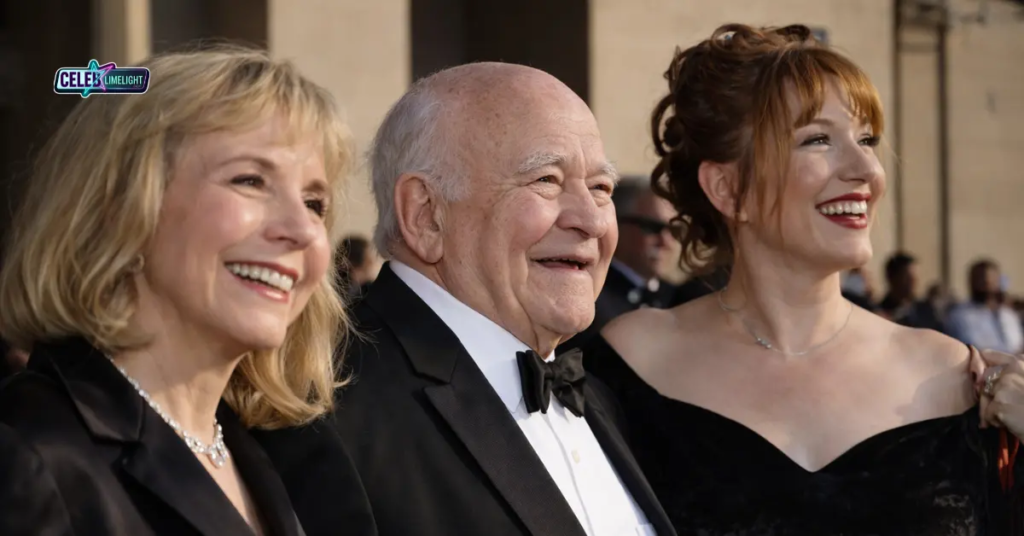
The thread connecting Charlie’s diagnosis to one of Ed Asner’s most lasting non-acting legacies is direct and important to understand.
The Ed Asner Family Center is a Los Angeles-based nonprofit organisation that provides mental health and social services primarily to individuals and families affected by autism. It was established with Ed Asner’s involvement and is currently led by his son Matthew Asner, who serves as CEO and President.
The organisation exists, in large part, because of what Ed Asner experienced raising Charlie. His personal journey with his son’s diagnosis gave him not just motivation but credibility. He understood, from inside the experience, what families navigating autism were dealing with — the confusion at diagnosis, the gaps in available support, the pressure on parents and siblings, and the long-term uncertainty about what independence might look like for an autistic child.
Matthew’s son, Ed Asner’s grandson, Will, was later also diagnosed with autism, which added another generation to the family’s personal connection to the cause. Ed Asner observed that it was harder for Matthew than it had been for him, partly because Will’s placement on the spectrum was different from Charlie’s. He described watching Matthew parent Will with what sounded like genuine admiration seeing his son become the kind of father the experience had shaped him to be.
Charlie’s influence on this entire legacy is foundational, even though he himself has never spoken publicly about it.
Ed Asner’s Four Children: Where Are They Now?
Understanding Charles requires understanding where he sits within the broader Asner family. Ed Asner had four children in total, and their paths have been markedly different.
Matthew Asner is the most publicly visible of Ed’s children today. He leads The Ed Asner Family Center and has a background in both film production and nonprofit work. His son Will’s autism diagnosis brought him into the advocacy world in a direct and personal way, and he has spoken publicly about that experience.
Liza Asner has worked as a producer, including on projects such as God Help Us, and has also worked as a booking agent. She has maintained a relatively low public profile despite being in the entertainment industry.
Kate Asner is the only one of Ed’s children to pursue acting professionally, following directly in her father’s footsteps. She has appeared in The Hughleys, What Women Want, and Open Season, among other projects. Of the four siblings, Kate has the most recognisable public presence.
Charles Edward Vogelman is the youngest and, by every available measure, the most private. He has no known public affiliations, no screen credits, no professional disclosures. Unlike his siblings, he has never used the Asner name publicly — he goes by his mother’s surname, Vogelman, and there are no records of him participating in any family events, press coverage, or advocacy activities associated with The Ed Asner Family Center, even though that organisation’s origins connect directly to his own life.
Whether that distance is by choice, circumstance, or a combination of both is not publicly known. It is simply the reality of how he has navigated adulthood.
Charles Edward Vogelman’s Relationship with His Father
The relationship between Charles and Ed Asner was one shaped by early legal complexity and later by something that sounds, in Ed’s own telling, like uncomplicated love.
The 1988 child support acknowledgment was a legal formality, but it was also a public declaration of paternity. Ed Asner never denied that Charlie was his son. In the years that followed, what emerged — at least in the accounts Ed gave to journalists — was a portrait of a father genuinely absorbed in his youngest child’s world. He did not treat the autism diagnosis as something to manage at arm’s length. He described learning from it, being changed by it, and being humbled by it.
Ed Asner also candidly admitted that he had struggled at first to recognise what was in front of him. Charlie was bright, physically active, and in his father’s eyes, completely captivating. The diagnosis forced him to look at his son differently not with less love, but with more attention to what his son actually needed rather than what Ed assumed he would need.
The fact that Charlie has not spoken publicly about his father, even following Ed’s death in August 2021, is consistent with a life lived entirely on private terms. Ed was surrounded by family when he died at 91, survived by his four children and ten grandchildren. Whether Charles was among those present is not recorded in public accounts.
Charles Edward Vogelman’s Net Worth and the Estate Question
Charles Edward Vogelman’s net worth is generally estimated between $1 million and $5 million, though these figures are unverified and largely speculative. No public financial disclosures, property records, or business filings under his name have been confirmed.
The speculation around his finances almost always traces back to his father. At the time of his death in 2021, Ed Asner’s estate was estimated at around $10 million a figure reflecting a long career in Hollywood that included seven Emmy Awards, decades of television and film work, and ongoing residuals. Whether Charles received any portion of that estate is not publicly documented. Ed Asner had four children and ten grandchildren, and the specific terms of his estate remain private.
What can be said is that Charlie’s financial situation has never been a source of public dispute or legal action, at least not one that has entered the public record. The only financial matter connected to him publicly is the child support arrangement from 1988, which has long since concluded.
Where Is Charles Edward Vogelman Now?
As of 2026, Charles Edward Vogelman lives a private life somewhere in the United States. He has no known social media presence on any major platform, no public-facing career, no known business affiliations, and has given no interviews at any point in his adult life.
He is 39 years old. Whatever he does professionally and personally, he does it entirely outside the lens that follows most people with his kind of family connection.
In an era when privacy of this magnitude is genuinely rare — when even the children of famous people typically have some traceable digital footprint — Charles represents something unusual: a person who has successfully declined the narrative that celebrity proximity creates. Whether that reflects a deliberate philosophy, a psychological necessity, or simply a preference for a normal life is not something anyone outside his immediate circle would know.
What is clear is that the absence itself has become part of his public identity, in the paradoxical way that refusing to be known sometimes makes a person more interesting to those trying to know them.
Media Coverage and Why Public Curiosity Persists
Searches for Charles Edward Vogelman spike reliably around two kinds of events: retrospectives on Ed Asner’s career and legacy, and broader coverage of autism awareness in celebrity families. His name surfaces not because he does anything publicly, but because the questions surrounding him remain unanswered.
The Los Angeles Times child support report from 1988 remains the primary documented public reference to him. AmoMama, various celebrity biography sites, and entertainment blogs have added layers of coverage over the years, most of it recycling the same limited set of verified facts. The autism angle, when it appears at all, is often mentioned briefly without the context that makes it meaningful.
This article is an attempt to present that context more fully, sourced from Ed Asner’s own public statements.
Lesser-Known Facts About Charles Edward Vogelman
- He goes by his mother’s surname, Vogelman, not Asner — a detail that meaningfully signals his separation from his father’s public identity
- His autism diagnosis came following observations made during a custody-related psychological assessment, not through routine developmental screening
- He attended Cal Poly, a detail confirmed in accounts of Ed Asner’s reflections on his son’s progress
- He is the youngest of four Asner children but the only one to have no known public or entertainment-industry presence of any kind
- The Ed Asner Family Center, which helps hundreds of families annually, exists in direct lineage from what Ed Asner learned raising Charlie
- His mother’s name is recorded as both “Carol Jean Vogelman” and “Carla Vogelman” in different sources, with no definitive public clarification of which is preferred
- His half-nephew, Will Asner (Matthew’s son), was also diagnosed with autism, connecting two generations of the family to the same experience
Why Does Charles Edward Vogelman Live a Private Life?

There is no single answer to this, and it would be dishonest to claim otherwise. But the available context suggests a few overlapping reasons.
Growing up with an autism diagnosis during the late 1980s and 1990s meant navigating a world that understood the condition far less well than it does today. The social and educational challenges that came with that experience were real, and they were met by his mother, by his father, and presumably by Charlie himself — with effort rather than exposure.
His father was a public figure who chose to speak about these experiences in interviews. Charlie never did. That asymmetry suggests that Charlie’s relationship with visibility was shaped early, and shaped by experiences that were genuinely private in the most meaningful sense — not strategic or managed, but personal.
There is also the simple fact that he uses his mother’s name. That is not an accident. It is a boundary drawn in the most basic way available to him, and it has held for his entire public life, such as it is.
Ed Asner’s Legacy and Where Charlie Fits Within It
Ed Asner died on August 29, 2021, at the age of 91. He left behind a career that included seven Emmy Awards — more than any other performer in the history of the awards — as well as a body of work spanning The Mary Tyler Moore Show, Lou Grant, Roots, Rich Man, Poor Man, and the voice of Carl Fredricksen in Pixar’s Up. He was also a committed political activist and union advocate, serving multiple terms as president of the Screen Actors Guild.
But alongside that public legacy runs a quieter one: the advocacy for autism awareness that grew directly from his experience with Charlie. The Ed Asner Family Center, under Matthew’s leadership, continues that work today. It serves as a living connection between Ed Asner’s private fatherhood and his public legacy.
Charlie’s place in that legacy is invisible and foundational at the same time. He never sought recognition for being the person who, in some meaningful way, started all of it.
Conclusion
Charles Edward Vogelman’s story is, at its core, a story about what happens when someone who could easily be a public figure chooses not to be — and means it. He is not hiding. He is simply living on his own terms, which happen to involve very little visibility.
What makes his story worth telling properly is not the privacy itself, but everything that exists underneath it: the autism diagnosis that his father spoke about with remarkable openness, the educational journey that surprised everyone, the legacy of advocacy that grew from a family’s private struggle, and the quiet consistency with which he has maintained the life he chose.
He is 39 years old. His father is gone. The foundation that was born from his early years continues to serve families like the one he grew up in. And Charles Edward Vogelman, as far as anyone can tell, is doing exactly what he has always done — living privately, and doing it well.
Frequently Asked Questions
Who is Charles Edward Vogelman?
Charles Edward Vogelman is the youngest son of the late actor Ed Asner and Carol Jean Vogelman. He is known primarily for his connection to his father’s Hollywood legacy, but his own story includes an autism spectrum diagnosis in childhood, an education at California Polytechnic State University, and a consistent commitment to living entirely outside public life.
Was Charles Edward Vogelman diagnosed with autism?
Yes. Charlie was diagnosed with autism spectrum disorder as a child, around age seven or eight, following an evaluation at UCLA’s Center for Autism Research and Treatment. Ed Asner spoke about this diagnosis in multiple interviews, describing it as a turning point in his understanding of fatherhood and the direct inspiration for his advocacy work.
What did Ed Asner say about Charles?
Ed Asner spoke publicly about his youngest son on several occasions, always with evident warmth. He acknowledged missing the early signs of autism, described himself as completely devoted to Charlie — using the phrase “his slave” in one interview to convey the depth of that devotion — and expressed pride in Charlie’s academic achievements, including his attendance at Cal Poly.
Did Charlie Vogelman inspire The Ed Asner Family Center?
Yes. The Ed Asner Family Center, a Los Angeles nonprofit providing mental health and social services to autistic individuals and their families, grew directly from Ed Asner’s personal experience raising Charlie. The organisation is currently led by Matthew Asner, Charlie’s half-brother, whose own son Will was also later diagnosed with autism.
What is Charles Edward Vogelman’s net worth?
His net worth is estimated between $1 million and $5 million, though these figures are unverified and speculative. Ed Asner’s estate was valued at approximately $10 million at the time of his death in 2021. No public documents confirm the terms of inheritance or Charlie’s specific financial situation.
Did Charles Edward Vogelman inherit money from Ed Asner?
No public records or legal filings confirm whether Charles received an inheritance from his father’s estate. Ed Asner had four children and ten grandchildren. The specific distribution of his estate has not been made public.
What does Charles Edward Vogelman do for a living?
His profession is not publicly known. He has no screen credits, no known business affiliations, and has never made any professional statements publicly. He uses his mother’s surname rather than Asner, which further separates him from his father’s professional world.
What did Charles Edward Vogelman study at Cal Poly?
The specific field of study has not been publicly disclosed. Ed Asner mentioned Cal Poly as a milestone in Charlie’s educational journey, framing it as a significant achievement given where Charlie had started, but did not detail the academic programme.
Why does Charles use the surname Vogelman instead of Asner?
Charles uses his mother’s surname, Vogelman, rather than his father’s. This appears to be a deliberate choice that reflects his broader approach to privacy and his separation from his father’s public identity. He has consistently gone by Vogelman throughout his adult life.
Is Charles Edward Vogelman married?
There is no publicly available information about his relationship or marital status. He has maintained full personal privacy throughout his adult life.
Does Charles Edward Vogelman have siblings?
He has three half-siblings through his father: Matthew Asner (CEO of The Ed Asner Family Center and film producer), Liza Asner (producer and booking agent), and Kate Asner (actress). All share the same father but have different mothers from Charles.
What is Ed Asner’s real name?
Ed Asner’s full given name was Yitzhak Edward Asner. He was professionally known as Ed Asner throughout his career.
Does Ed Asner have grandchildren?
Yes. At the time of his death in August 2021, Ed Asner was survived by his four children and ten grandchildren. Matthew’s son Will is among those grandchildren and was also diagnosed with autism, continuing the family’s personal connection to the condition that Charlie’s diagnosis first brought to Ed’s attention.
What is The Ed Asner Family Center?
The Ed Asner Family Center is a Los Angeles-based nonprofit organisation providing therapeutic, educational, and social services to individuals with autism and other developmental conditions, along with support for their families. It was established with Ed Asner’s involvement and is currently led by Matthew Asner. The organisation’s origins are closely tied to Ed Asner’s experience raising Charlie and his desire to extend support to families navigating similar challenges.

Hi, I’m Author of this Content. I research celebrity net worth, biographies, and career highlights, and I share what I learn in a clear and accurate way. I enjoy digging into facts and helping readers understand the real stories behind famous personalities.